Stop.
Take a second and stop.
Think about your body, the physical space you take up in the world.
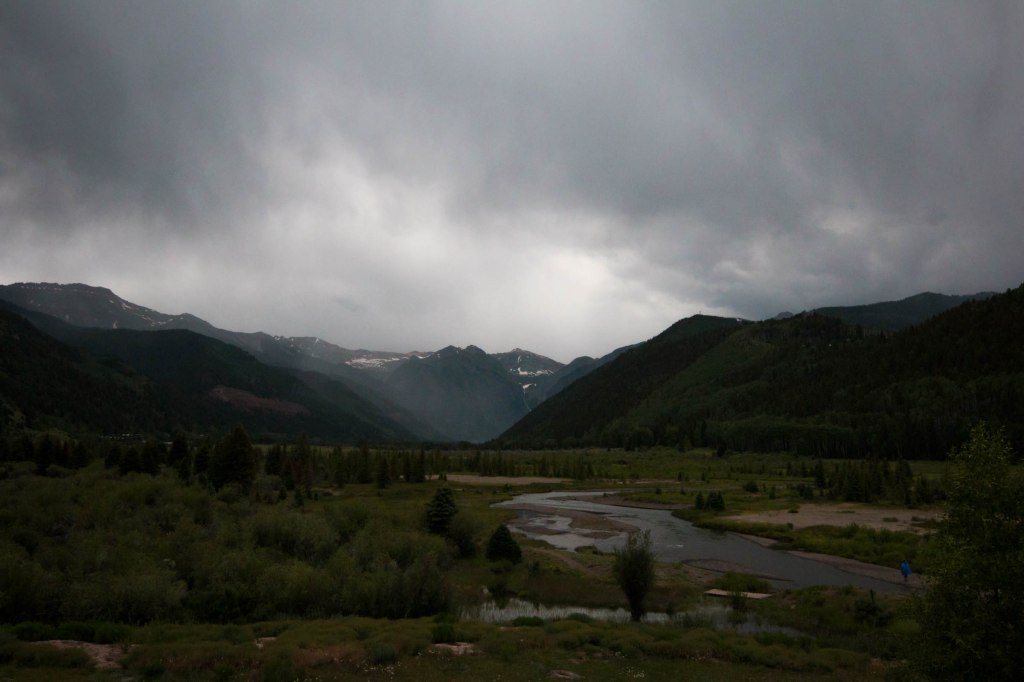
Look at the sky. Can you see the horizons? Can you see the horizon, and look at the sky, and think about your body and realize just how small you are?
The sky seems comfortingly closed off sometimes. Like when it’s thick with weighed down clouds and blocks out sun. Or when it’s blue and opaque and you can’t see the stars.
But the sky isn’t solid, you know. When you stand under the sky, looking at the horizon, thinking about your body, there is nothing between you and the outer ring of the solar system, or the dust of the Milky Way, or the edge of the universe itself. That edge is so far away that even light, the fastest thing in the known world, hasn’t even had time to reach us. And it’s been traveling since the universe began.
The sky isn’t solid, and you aren’t the center of the universe; and that will blow your mind when you stop to think about it.
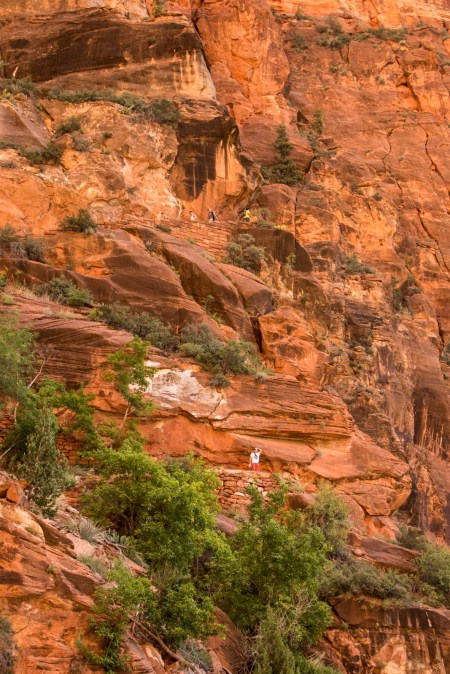
Welcome to the sacred practice of Awe. It’s one of my favorites.
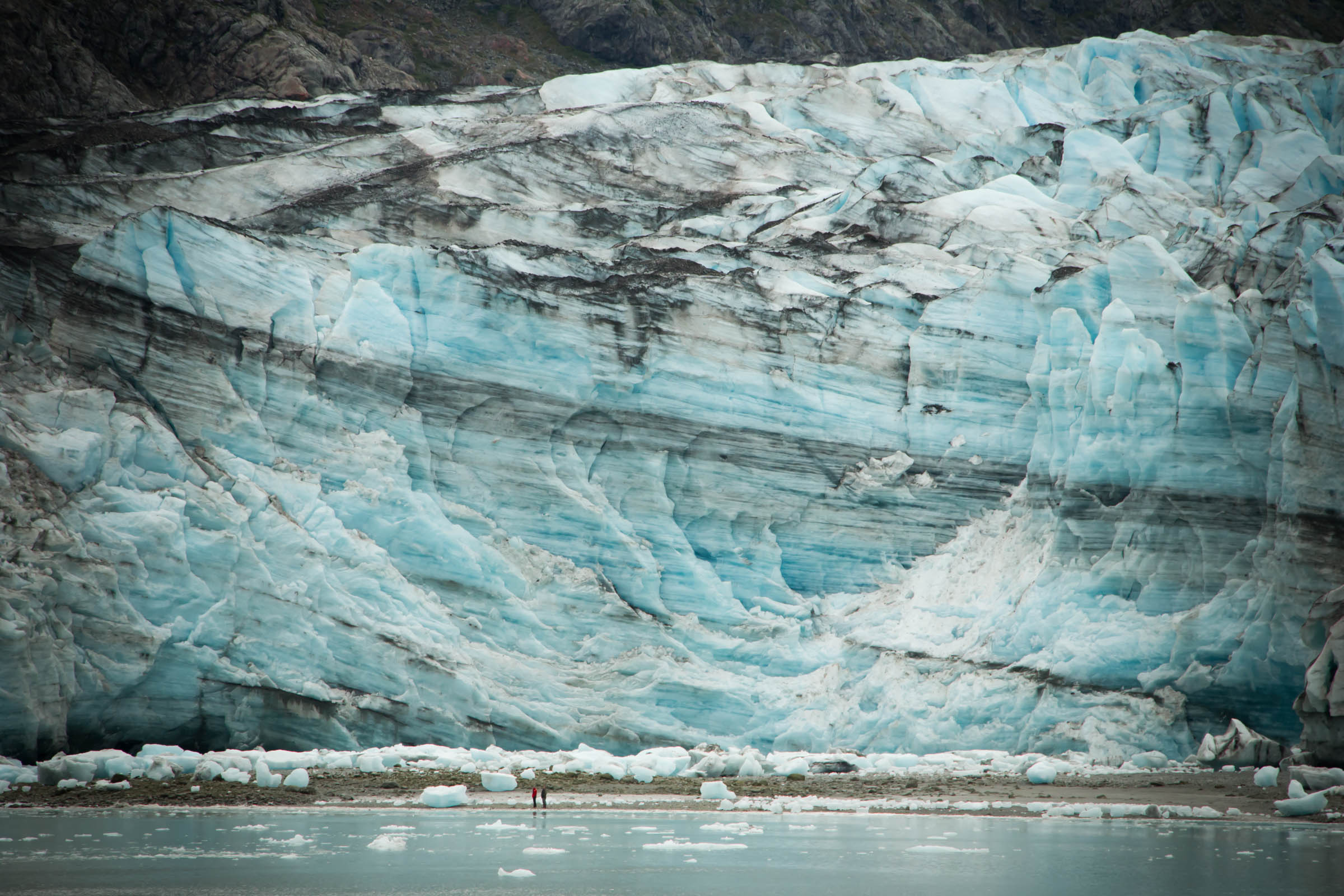
I first discovered it as I was standing on the deck of a boat in Glacier Bay National Park, Alaska. The boat was a medium sized ferry and we were dropping off a group of hikers in the middle of the wilderness. They stood on the shore with their backpacks as we pulled away and abandoned them to 500 square miles of land. Words can’t quite describe how small they looked standing there alone. It was the first time I fully comprehended just how big our world is, and how small we are in it.
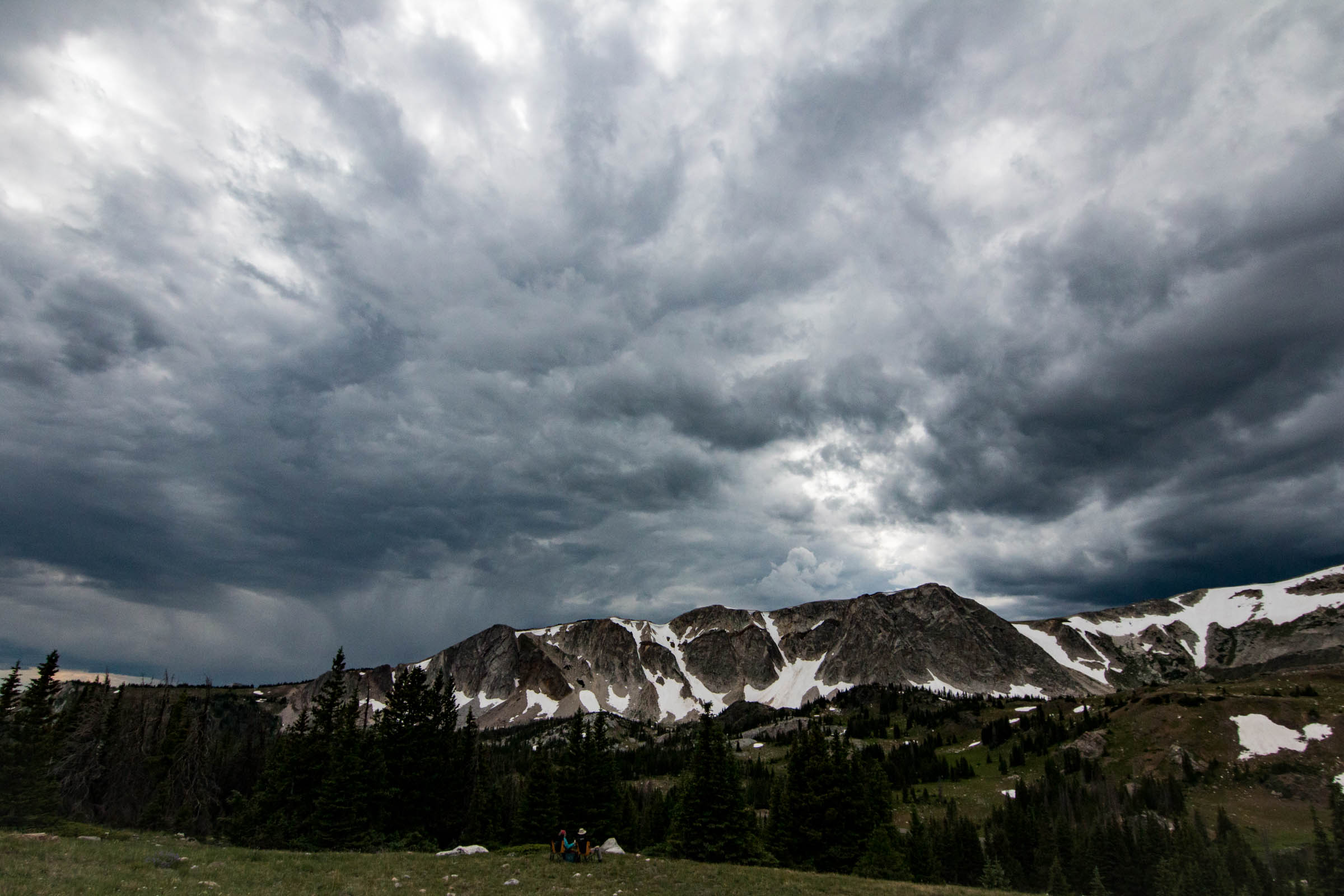
I practice sacred awe through four steps. The first is to stop. Take time to look at the world around you. You can do that intentionally by putting yourself somewhere you are likely to encounter sacred awe, or you can stop in the middle of your day to observe it where you find it. I like the practice of this couple in Medicine-Bow National Forest, Wyoming. They pulled up to a lookout and marched across the grass with a couple of armchairs and a small cooler. Then they just sat. Hand in hand, they sat and looked at the clouds.
The next step is to recognize. After you’ve come in contact with a mountain, or an ocean, or the sky, try to truly recognize what you are seeing. Mountain ranges which are the spine of two continental plates pushing up against each other. Oceans which contain up to 80% of life on earth and support all of it. The sky which wraps around the whole planet in one long, unbroken sheet. The vastness of our world explodes the neat and tiny boxes we try to fit it into. To recognize that is to come in contact with the almighty.
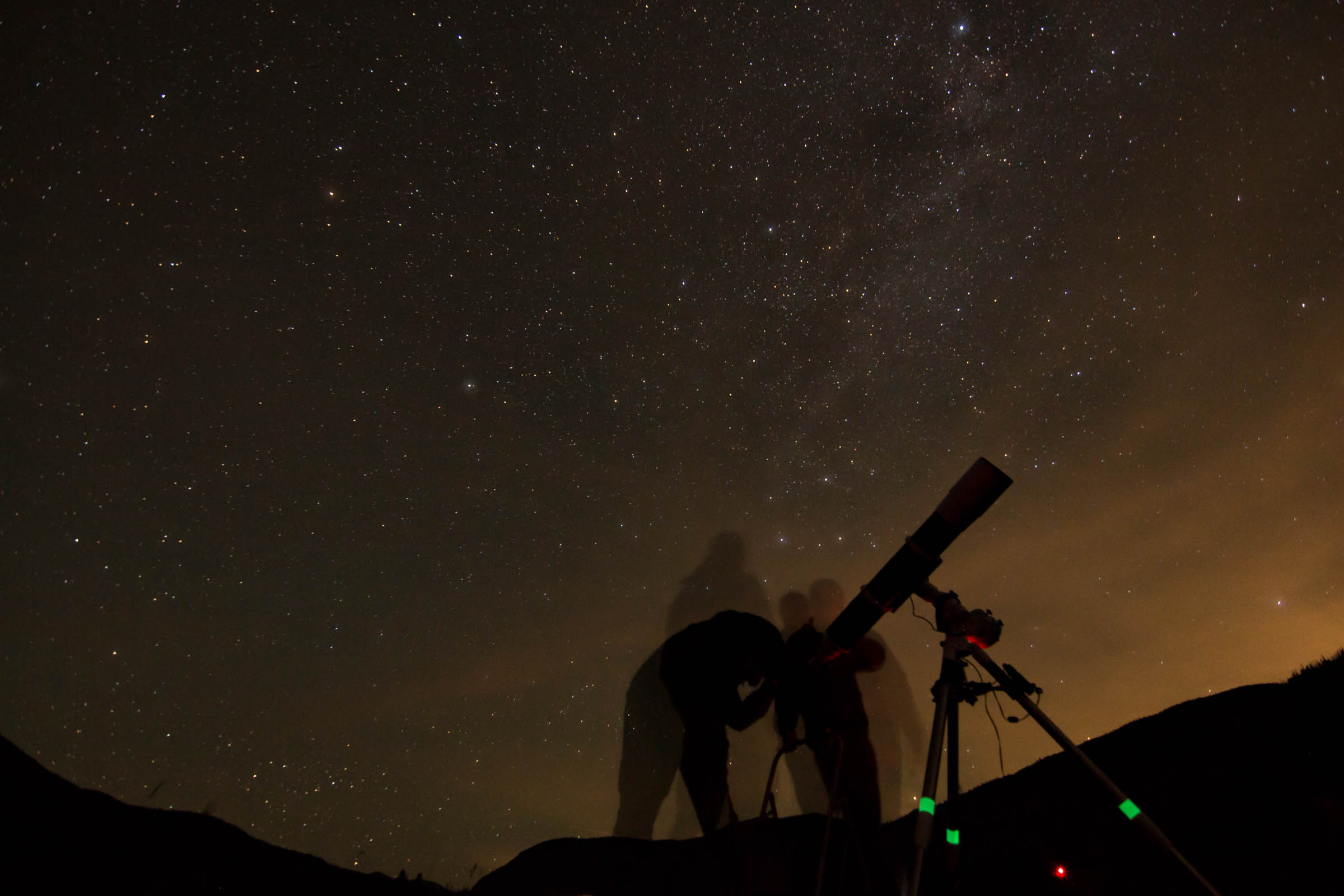
Next, bask. Drink in the dizzying details that you have just recognized. Luxuriate in the time you took to practice your sacred awe. Soak up the feeling of smallness inspired by the beauty before you. Revel in the knowledge that you are just as awe inspiring. Sit on a rock and watch the sunset until every detail is branded onto your brain and you know you’ll never forget.
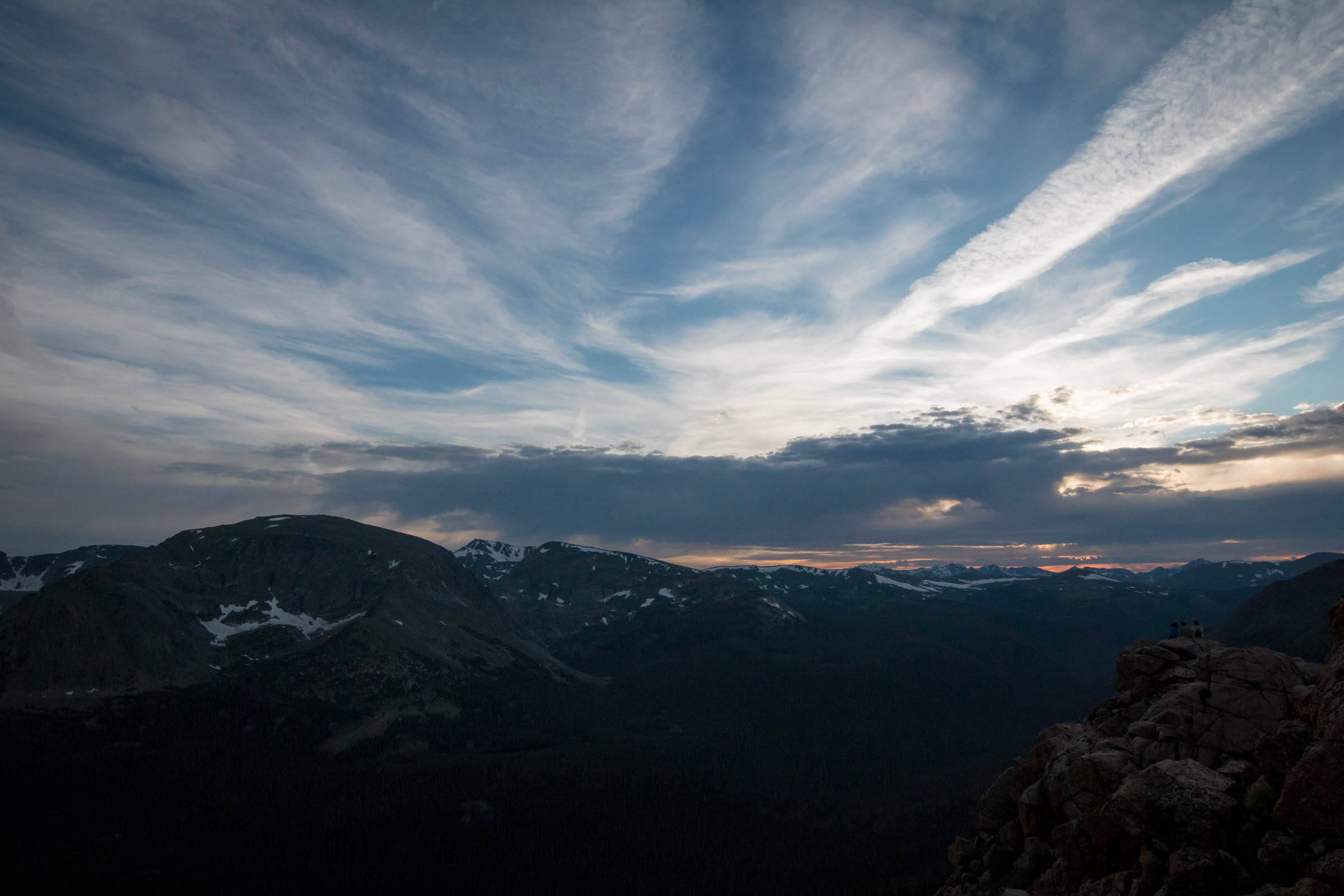
The last step is to remember. Take what you realized and incorporate it in the way you interact with the world. Remember what made you stop and how it felt to recognize the world around you. Remember the details and the feelings, and the mind-boggling vastness of nature. Remember that it is sacred. Not for what it can do or how it makes you feel. It is sacred because it exists. And so are you. Remember that as you go forward.
…
Remember.
Take a second and remember.
Think about your body, the physical space you take up in the world.
Look at the sky.
Are you in awe?


Leave a comment