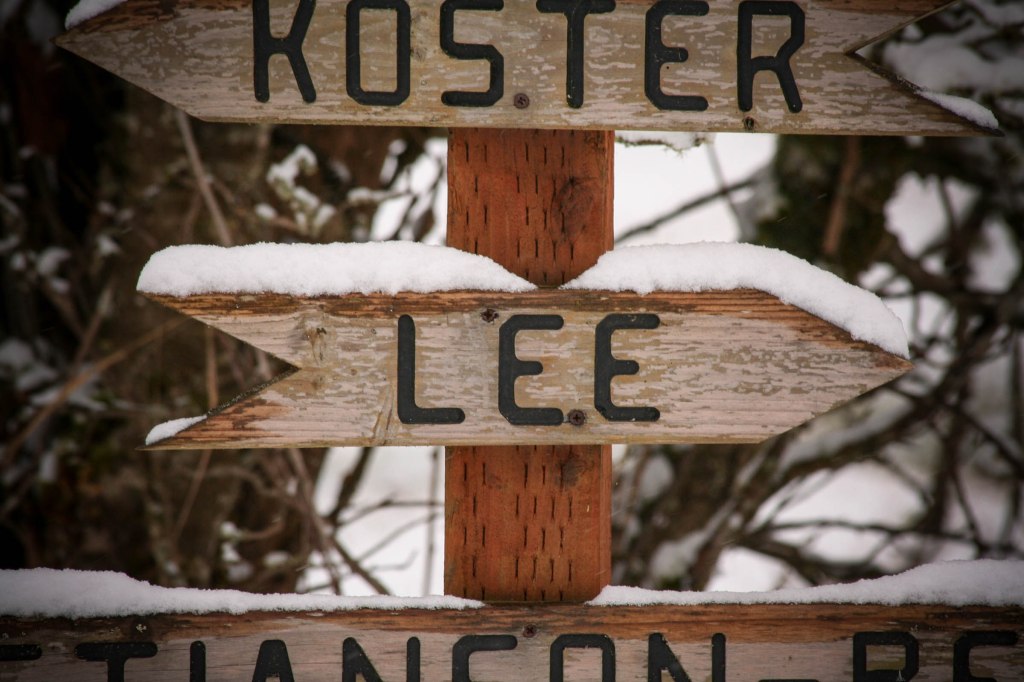
My conservationism began at home.
I grew up on 5 acres of land outside of Redmond, Washington. My mother might tell you that I spent most of my time indoors avoiding chores and complaining that I was bored. But I remember magical afternoons playing Robin Hood in the woods, getting stuck in bogs, exploring the creek bed, studying the patterns of ferns, and reading books for hours in a sacred cathedral of maple leaves. I know every inch of those woods and I love them.
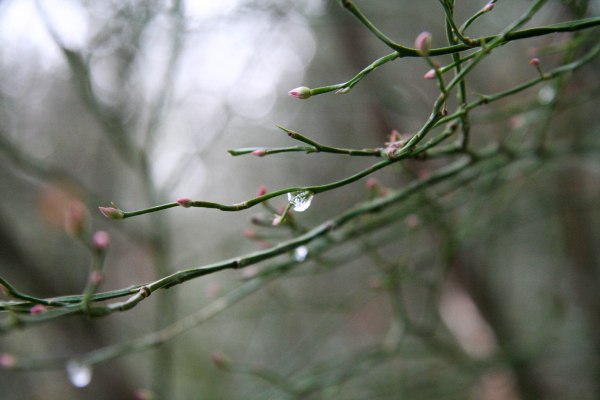
I also remember my profound fear of loss – that things would change and I would never get them back. I learned to mitigate that fear through photography. If I could photograph something then it wouldn’t be gone forever, I could always bring it back in a photo.

And there is nothing I’ve photographed more than the woods around my home. Our relationship has changed over time. It transformed from a child’s playground, to a teenage hideaway, to an artist’s workshop. But it has always remained sacred. I can name almost every plant that grows on the tangled forest floor, even if half of them are names I made up as a kid. The sound of crows chasing a hawk across the sky sends me heart soaring and the green smell of apple tree bark brings tears to my eyes. I have made this forest sacred through my familiarity and my lifelong desire to protect it.
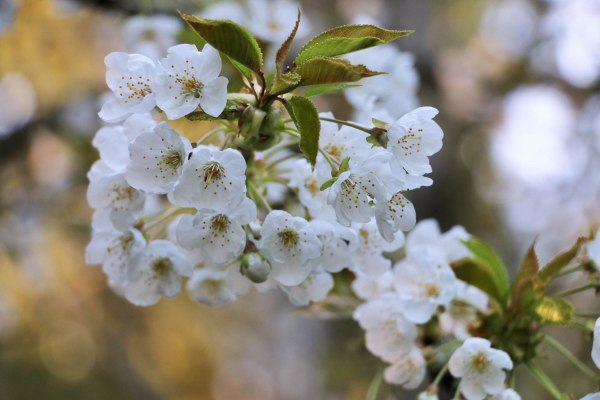
When I was 14 the utility company cut down a corridor to put in new power lines for the ever growing Seattle Eastside. And I was devastated. I remember being sick to my stomach that whole summer, coming up with childhood fantasies of revenge and retribution. I had spent seven years learning that land and suddenly it was gone.

When I think of climate change I think of polar bears on melting ice caps and Vietnamese rice paddies drowning under rising tides. And then I think of my home and I lose my breath. My fear of loss and my desire to protect well up in my throat and choke me. And then I think of all the places in all the world and how they are sacred to someone and worthy of all our protection.
In America, scientists struggle to get their audience to grasp the threat of climate change. Activists have tried motivating people through facts, fear, and excitement, but nothing so far has spurred the change we need. But what if we could teach people to see things as sacred and worth protecting, the way I see my home? For something to be sacred it can be beautiful, precious, powerful, intimate, immense, vital, or ancient. Anything can be sacred, but we treat so few things as if they were.
This summer I’m going to pile a bunch of camping gear in the back of my first car and travel the Western US. I’ll start out on the Olympic Peninsula, then head east across Washington and Idaho to Glacier National Park. From there I’ll head south to Salt Lake City, Zion National Park, the Grand Canyon, and several other reserves in the area. I’ll camp in Colorado and then spend time admiring art in Taos. I’m going to visit Carlsbad Caverns (a lifelong dream), and visit the border in San Diego. Finally I’ll head north on Highway 1 and travel up the Pacific Coast to end up back in the Cascades for a section hike of the PCT. Through it all I want to talk about what makes something sacred, and how we might use reverence to protect the most beautiful, precious, intimate, and vital things in our lives today.
This is going to be an environmentalist blog, and a spiritual blog, and a road trip blog. I want to create change, inspire introspection and, of course, a love of travel.
…
You can follow along on the adventure right here with weekly blog posts, and on Instagram @leeslense and Twitter @lee_kesia.


Leave a Reply