I was at the gym when the email came through:
I need someone to cover the Chapel Hill Shooting Vigil tomorrow from 11:50 a.m.-12:30 p.m. in Red Square. This is a first come, first serve type of thing. If you’re available, let me know ASAP and we’ll talk about the details. Thanks.
Daily Editor – The Western Front
I was desperate for a story assignment so I wrote back immediately and claimed it. The next thing I did was sit back and think “What have I gotten myself into?”
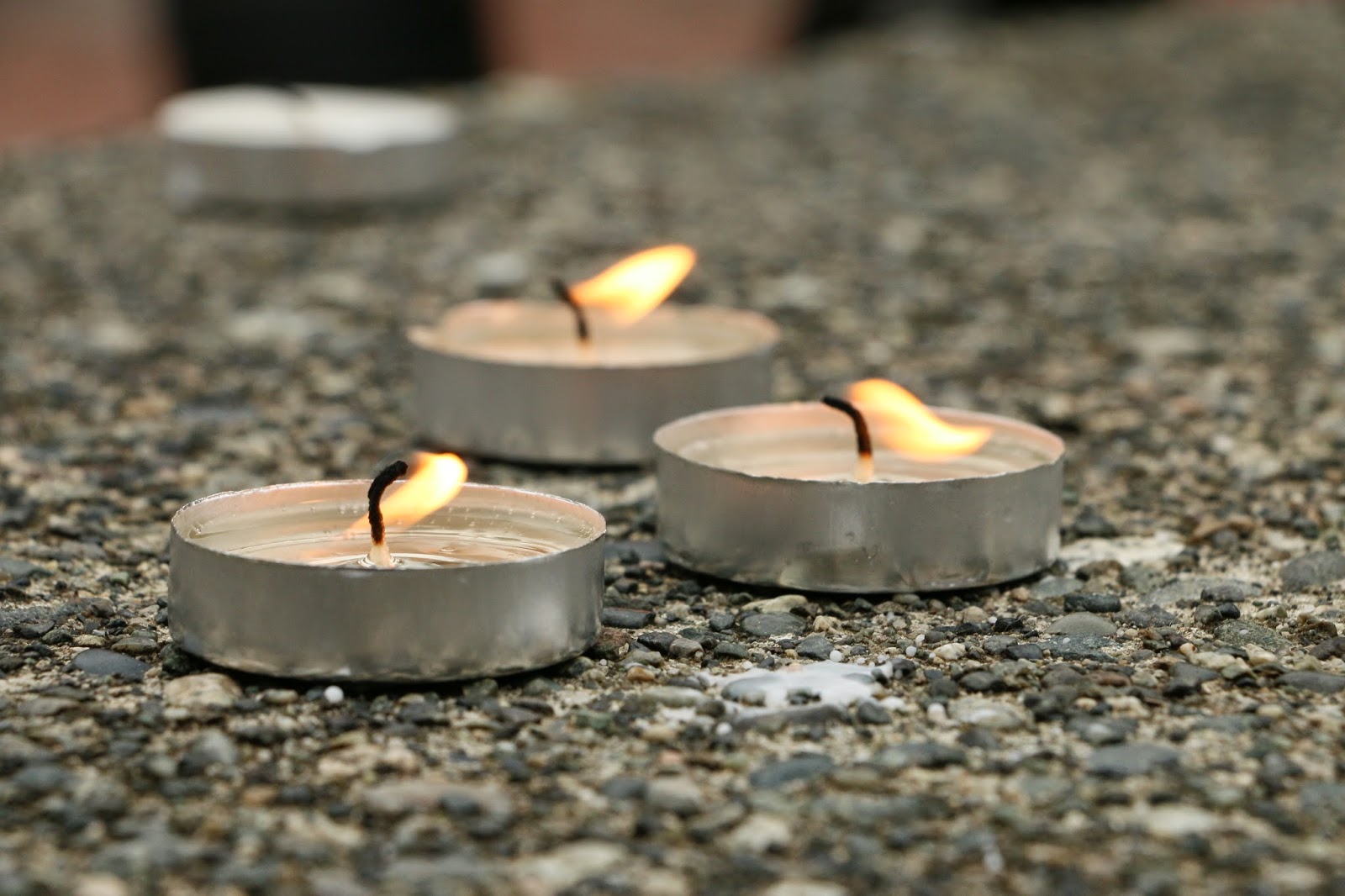 Of course we are all briefed about what to do when reporting on tragedy – be sensitive, give people their space, build a relationship, so on and so forth. But the bullet points on a lecture slide don’t really prepare you for the real thing.
That night I sat at my desk and thought about what was ahead of me. The Chapel Hill shooting itself was a terrible thing. Two young newlyweds and their sister gunned down over a parking space? It sounds like the plot of a terrible horror TV show, the kind I don’t watch. What made it worse was their bright futures and grieving families, these were three young students who should never have been killed.
The Muslim community was in mourning, I was in mourning. How was I supposed to cover this like a detached unbiased journalist when my soul ached for what had happened?
When my roommate came back that evening I warned her, saying “I’m covering the Chapel Hill shooting tomorrow, I’m going to be moody and depressive for at least the next 24 hours.”
Quick shout out to my roommate. I know living with me isn’t always easy and I know it gets about ten times harder when I go into hardcore journalist mode but she does an amazing job of supporting me with whatever I need.
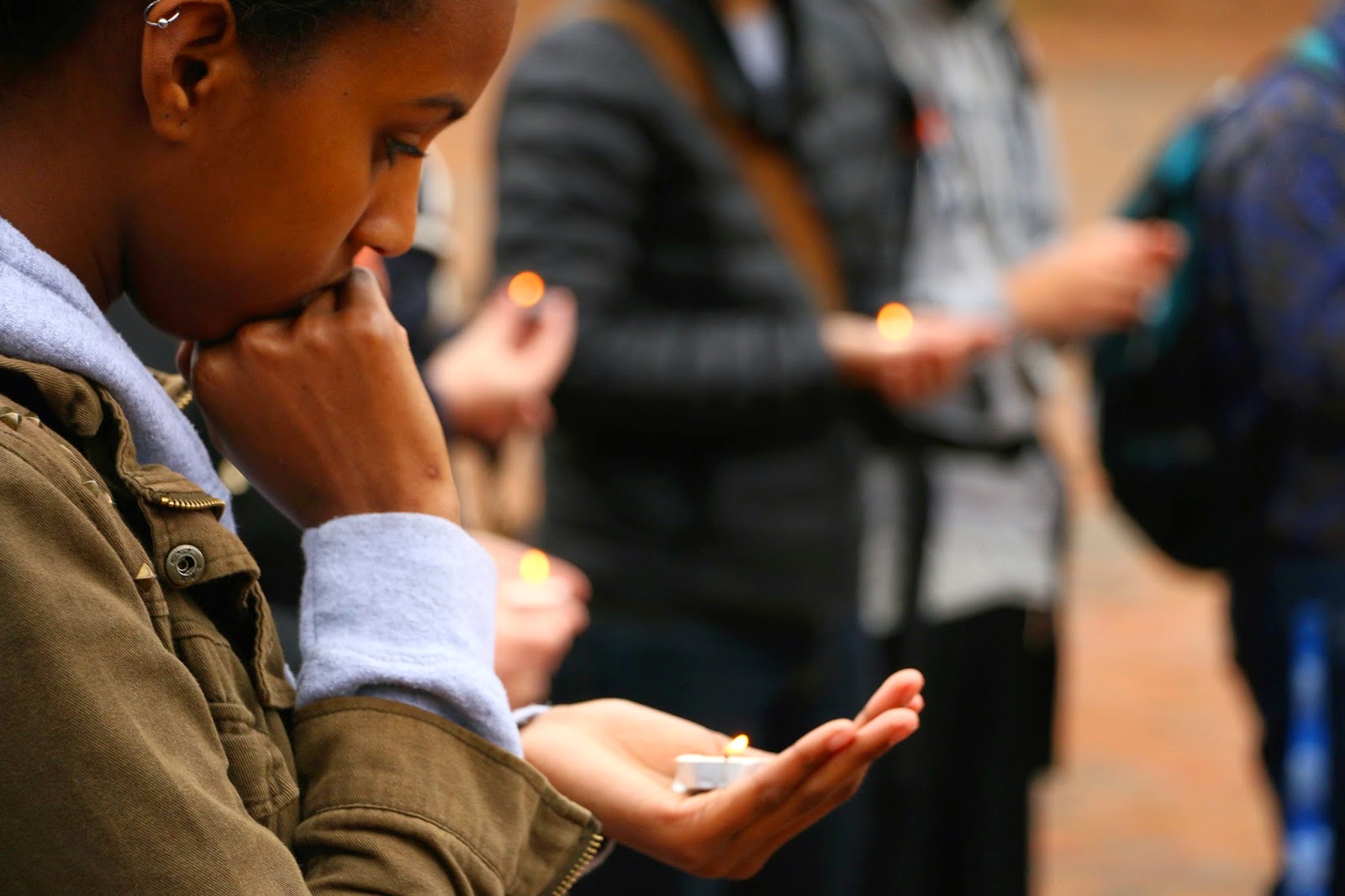
The vigil was scheduled for 11:50 Thursday morning. My deadline was 3:00 Thursday afternoon. One of the things about journalism is that the timeline rarely allows for emotional processing. It was get in, get out, write the story – and remember to be sensitive. But it was impossible to not be affected by the outpouring of grief and the companionate response of the campus. Those attending the vigil ranged in race and religion but not in commitment to the vigil and what it represented.

Many of those attending, including the campus chief of police, spoke of what it meant to them to see the campus pull together in solidarity in the face of fear and prejudice. I talked to one of the girls after the vigil and she was just so thankful for the support of fellow students. As an Arab Muslim on a very white and very liberal campus, she said that she often felt isolated and alone but that today had reminded her that people do care.
I stayed out of the way as much as possible during the ceremony, sticking to the edge of the crowd and taking a few photos here and there. I made mental notes of people in charge, people who spoke out, people whose photo I had taken, and when the vigil ended at 12:30 I went into action.
It’s amazing how well people respond to a quiet voice and a small sad smile. The Muslim students there had so many things to say about the misrepresentation of Islam in the media and the importance of using this tragedy as a chance to show a loving and peaceful response. There were many times when I had to stop and ask them to explain a certain practice or prayer.
 |
Members of the Muslim Students Association pray for the victims of the Chapel Hill shooting |
At 1:00 p.m. I had more materiel than I could possibly use and two hours to write an article. There are so many extra layers in writing an article which involves national news and crime. I had to sift through my own interviews for quotes, and through online articles for information, pulling out the pieces which I would string together in a narrative which could be unique and factual.
 And there are complicated rules involving crime suspects, who can be named and how, what parts of the crime have the police confirmed and what parts are public speculation, on and on.
And all the while there was the nagging knowledge that I was writing about the murder of three university students who weren’t much older than me and I wasn’t allowed to be sad or angry or even shocked.
Two hours later the article was finished and off to the editors. It never even came back to me for the normal round of editing. It was published “as is” on the front page of the school newspaper the next day. I think I can say that that was the best article I had written to that point – it was fueled by a raging torrent of emotions none of which I was allowed to show no matter how much I wanted to.
But perhaps that is the balance of journalism. It’s not about not feeling but rather allowing all your passion to mound up behind the article, like water behind a dam. The emotions don’t show, but they add a power and urgency to the words. I learned how to take my emotions and channel them into making the article good rather than making it biased.
The Chapel Hill shooting was a travesty but I saw a community draw together in the face of it. In the end it wasn’t about us vs. them, religious vs. atheist, Arab vs. white. I think the real issue is the fear that we all feel in the face of a world which is falling apart at the seams. What the shooting showed us is that it’s bad on both sides, but if we pull together in love and understanding we may yet be able to fix the issues which needlessly divide us.

You can read the article online in the Western Front Archives for February 13, 2015

 Kesia Lee